Haemodialysis Machine
Product Description
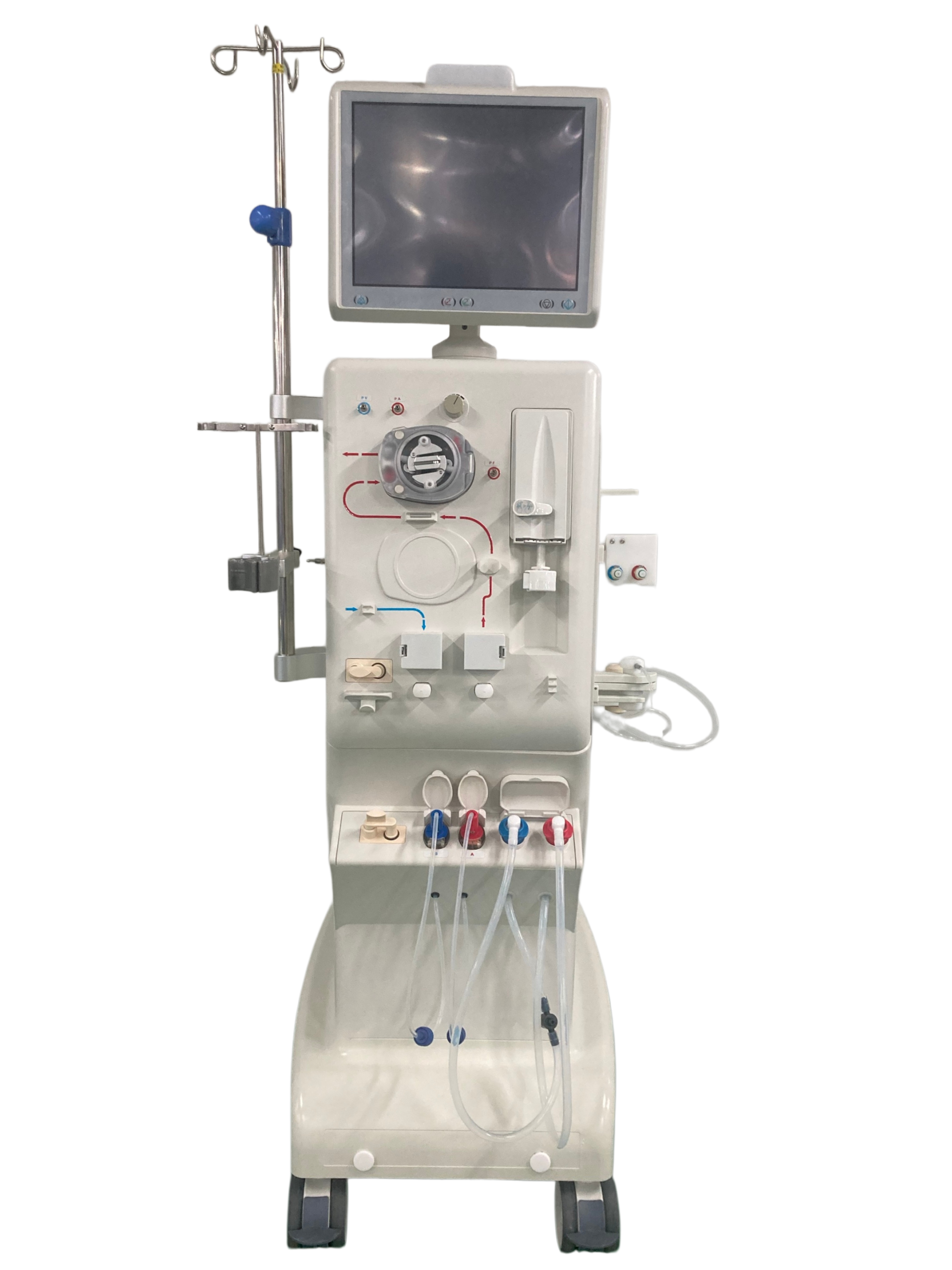
A hemodialysis machine is a medical device used to remove waste products, excess fluids, and toxins from the blood of patients with kidney failure. It works by circulating the patient’s blood through a dialyzer (artificial kidney), where diffusion and filtration occur across a semi-permeable membrane to cleanse the blood before returning it to the body.
The system carefully controls blood flow, dialysate composition, pressure, and temperature to ensure safe and effective dialysis treatment. It is commonly used in hospitals and dialysis centers for patients with chronic or acute renal failure.
Key Features
- Removes waste, toxins, and excess fluids from blood
- Precise control of blood flow and dialysate delivery
- Integrated monitoring (pressure, temperature, conductivity)
- Safety alarms for abnormal conditions (air, leaks, pressure)
- Compatible with dialyzers and extracorporeal circuits
- User-friendly interface for clinical operation
- Continuous and reliable performance
- Designed for safe and efficient dialysis treatment

To order, call: (+855) 093 265 939 (24/7 support)

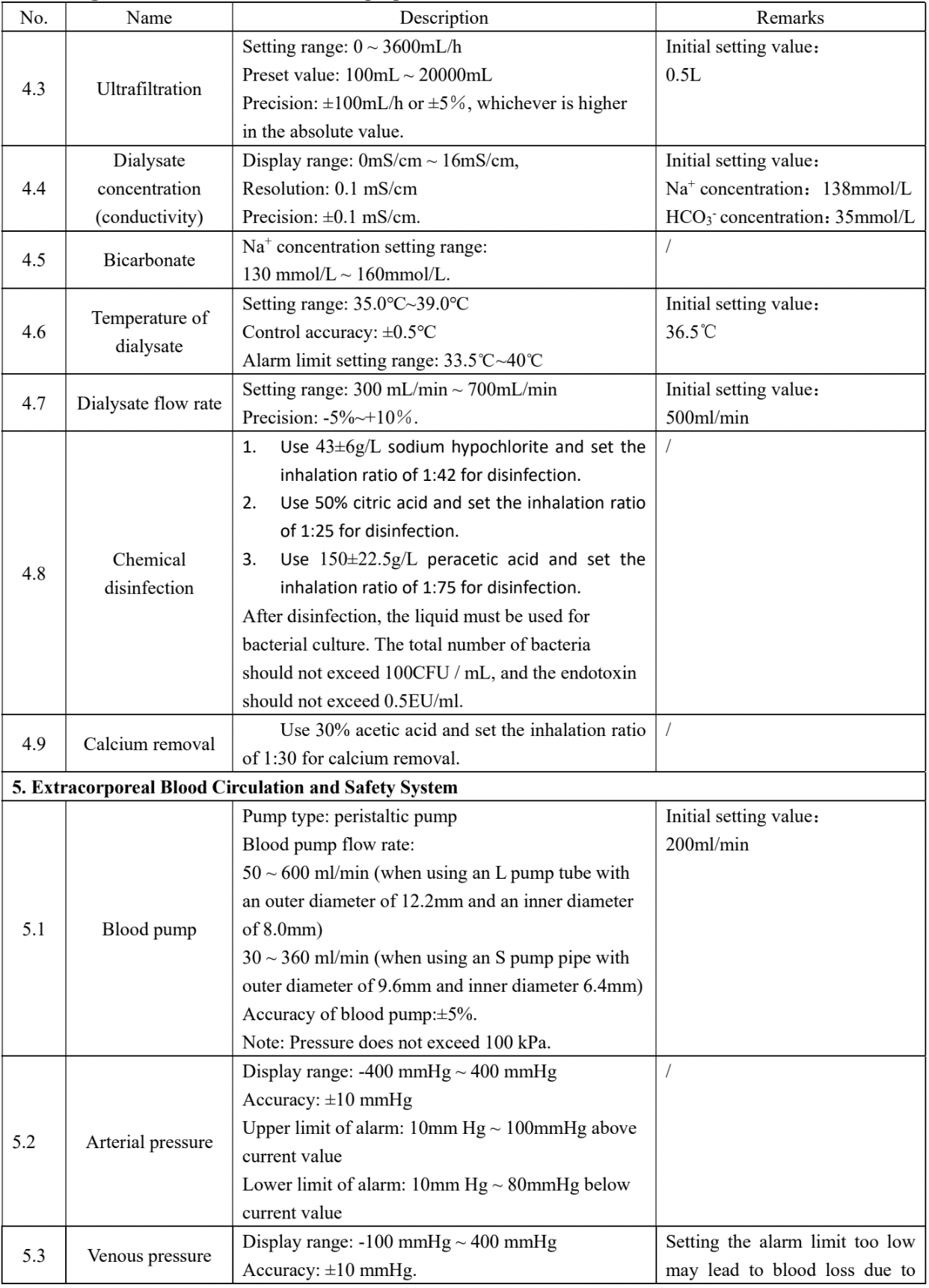

Intended use: It is suitable for hemodialysis for patients with chronic renal failure.
Indications: chronic renal failure
Intended users: This product shall be handled by healthcare professionals.
Intended patient population: This product is used in patients undergoing hemodialysis treatment.
> Operating environment and precautions: It can be used in various medical centers and clinics.
- The intended use of the haemodialysis equipment does not include intensive care or surgery environment.
- This haemodialysis equipment is not suitable for a central venous catheter whose tip is in the right atrium.
- It is not intended to be used for treatment of patients with central venous catheter(s) in the atrial location.
- It may cause electric shock to patient if the leakage current exceeds the Type CF leakage current limits.
- This product is suitable for haemodialysis treatment of Chronic renal failure(CRF) patients.
> Contraindications: Haemodialysis does not have absolute contraindications, but not all patients are suited to undergo haemodialysis. The following conditions may be considered as a relative contraindication:
- Malignant tumors, dementia, or patients suffering from life-threatening cerebrovascular disease;
- Chronic liver disease, severe hypotension or shock; anemia, severe bleeding risk;
- Patients suffering from mental disorders with the inability to make health decisions on their own;
- Serious cardiac complications, such as apparent cardiac hypertrophy with cardiac insufficiency, severe arrhythmia, severe high blood pressure, or cerebrovascular disease;
- Patients with end-stage renal disease and irreversible complications such as uncontrolled diabetes.
Treatment
1. Preparation
Note: Before use, ensure that the hemodialysis machine is already provided with reverse osmosis water supply system, sewage system and power supply system; when the hemodialysis machine works, ensure that it is not in the vicinity of equipment launching electromagnetic waves or radio waves since these can cause hemodialysis machine malfunction. It is recommended that disinfection be performed before the hemodialysis machine is temporarily stopped, and thermal disinfection should be performed before reuse.
Warning: During the treatment, if the peripheral equipment touches the equipment, it may cause the risk of mis-operation. Please ensure that there is enough space between the machine and the peripheral equipment before use.
1.1. Start the haemodialysis machine
Turn on the power cord on the back of the machine, as shown in Figure 5-1.
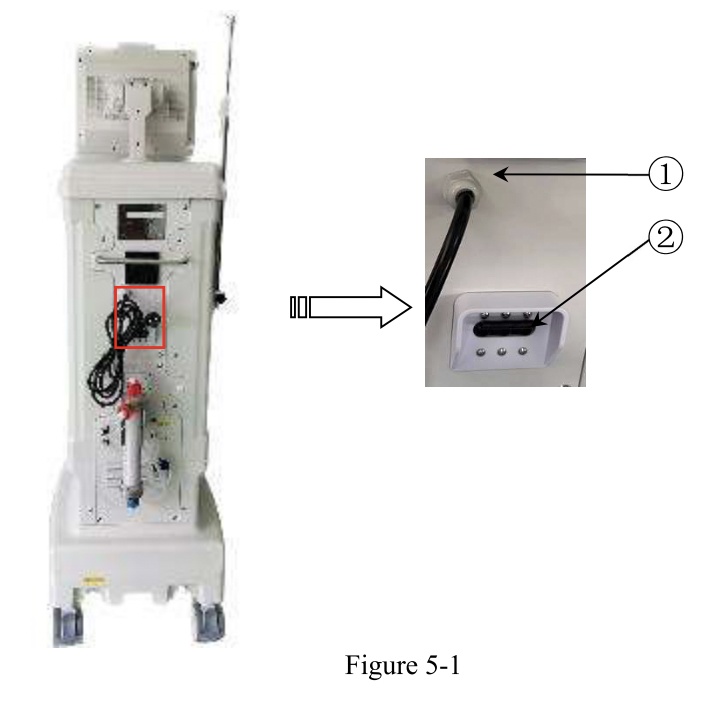
Notes: When starting the machine, firstly inspect whether the input voltage and the main power supply voltage are consistent, then turn on the switch, and the machine can be used normally. If the hemodialysis machine is required to be turned off, turn off the switch to avoid consuming the internal battery supply.
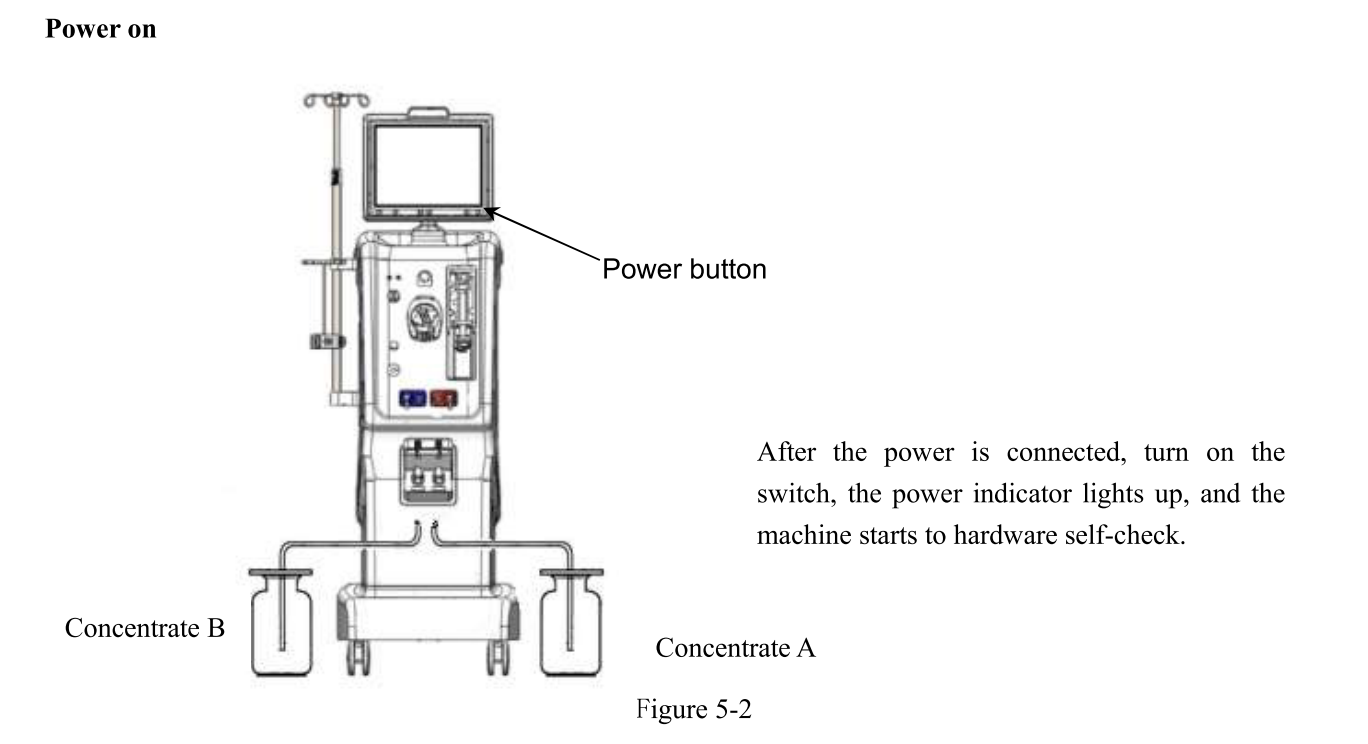
1.2. Enter seft-check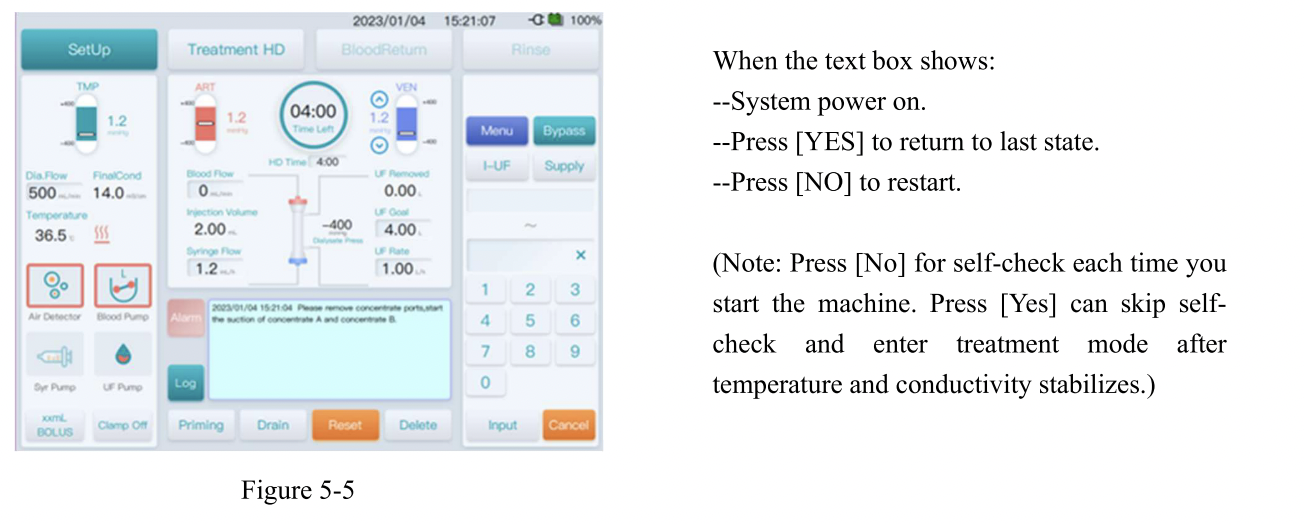
Note: If the system does not pass the self-check, you can restart the machine and test again.
Warning: Disinfection must be carried out before the first treatment.
1.3. Concentrate Supply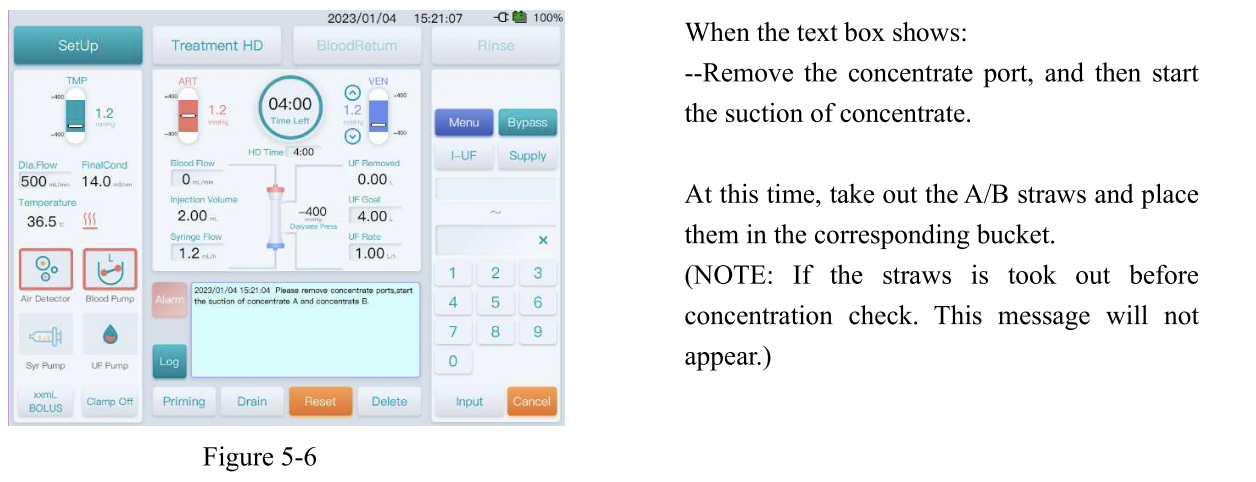
1.4. Blood piping system installation
> Installation of blood pump tubing
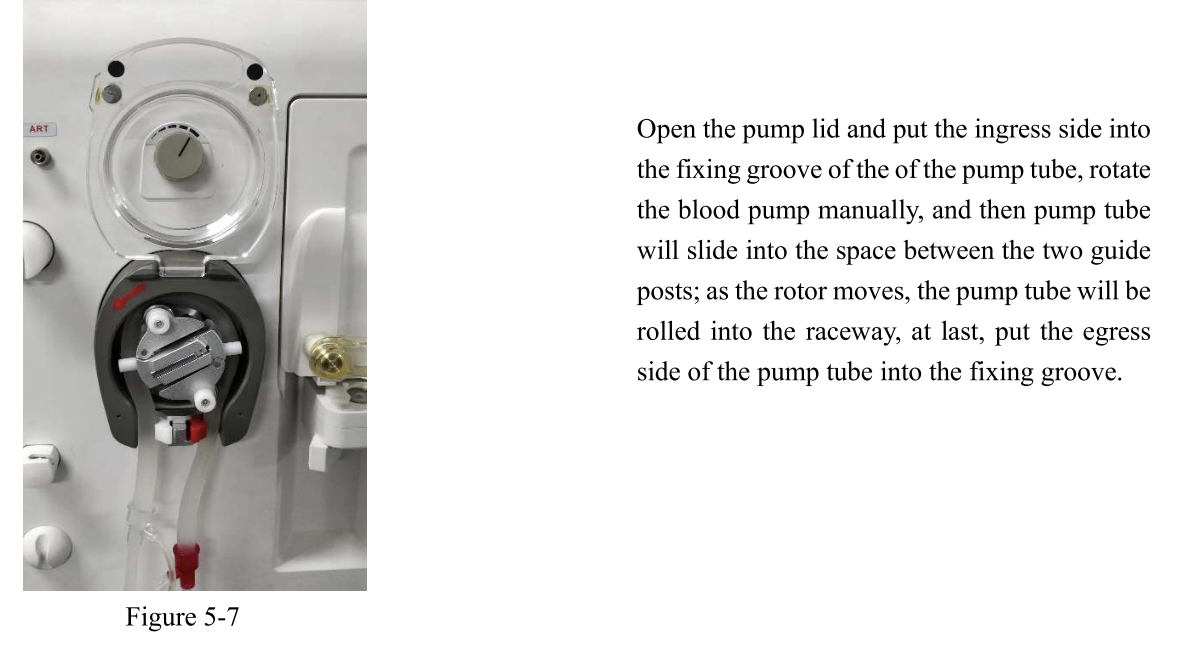
Note: Make sure the pump can completely press two rollers.
> Blood tubing system
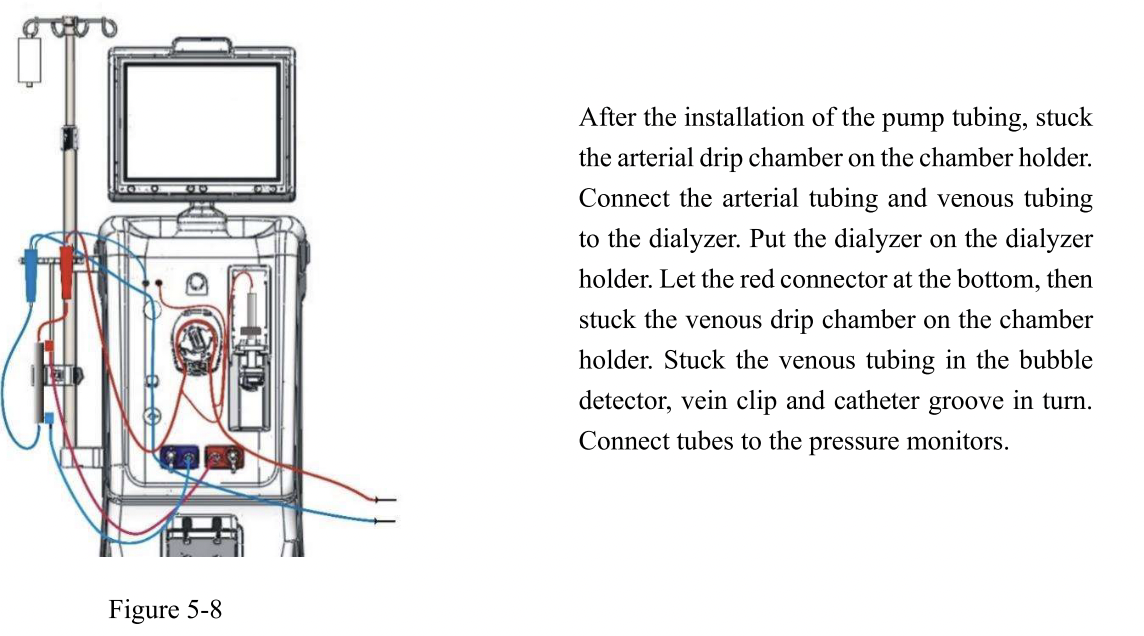
Note: The extracorporeal circuit connection error will cause security risk for patients.
Warning: All blood tubing connection must use asepsis operation. When connecting the tubing system, it is necessary to ensure that the blood tubing is not deformed.
Warning: When using bubble detector, pay attention to the following items, in case of tubing deformation.
- Ultrasonic conduction objects or reagents shall not be used.
- Blood tubing must be clean and dry.
- The abnormal function of the ultrasonic bubble detector may be caused by using condensation or ultrasonic gel.
Warning: When using pressure monitor, tubing set with TP (transfuser protector) must be used. When the TP is soaked or the connecting tube is clamped, pressure monitor will be noneffective, which does harm to patient. Make sure the TPs are firmly connected to the machine, to not to detach prom the ports and does harm to patient due to insufficient monitoring.
1.5. Priming
After the blood tubing system is installed, priming can begin. Before priming, prepare two bottles of saline and a waste liquid bag. Connect the saline and the blood tubing by infusion apparatus. Connect the saline to the infusion port at the end of arterial tubing, then open the clip to allow saline to flow into tubing. Connect the waste liquid bag to the venous tubing end and open the venous tubing end clip. Press the blood pump symbol to open the blood pump and set the blood pump speed to 100. When saline flows through the dialyzer, beat the dialyzer by hand to vent air. After the two bottles of saline are used up, press the blood pump symbol to stop the blood pump, and close the clip on the infusion port, arterial end and venous end of the blood tubing. Connect the arterial end and venous end of the blood tubing with the recirculating connector, open the clips at both ends, press the blood pump symbol to open the blood pump, and set the blood pump speed to about 300, which is conducive to vent air from the blood tubing.
Priming not finished
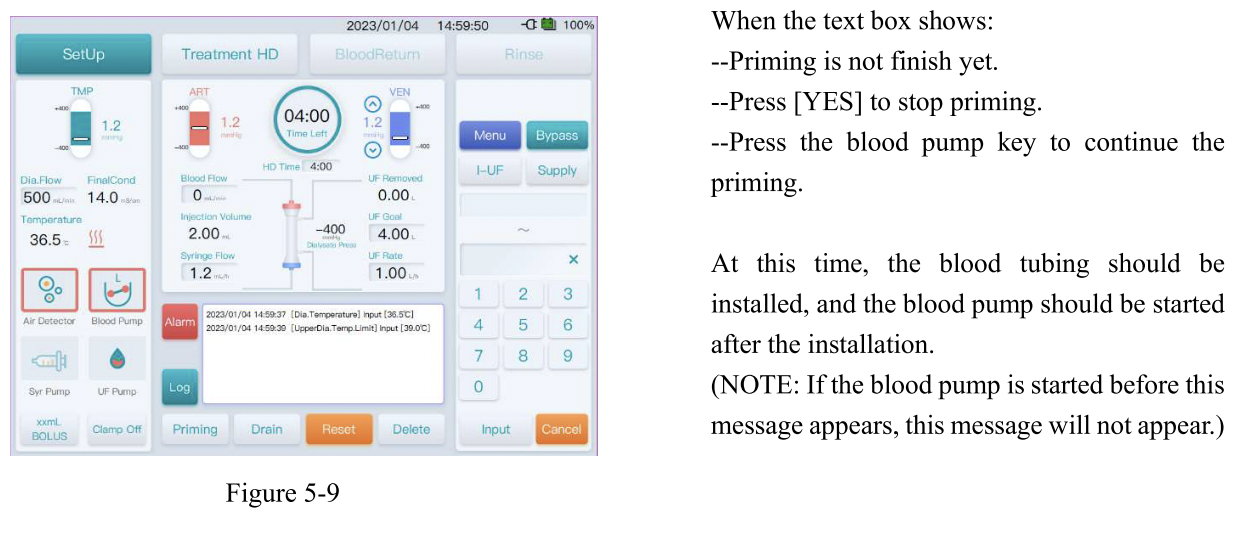
Priming prompt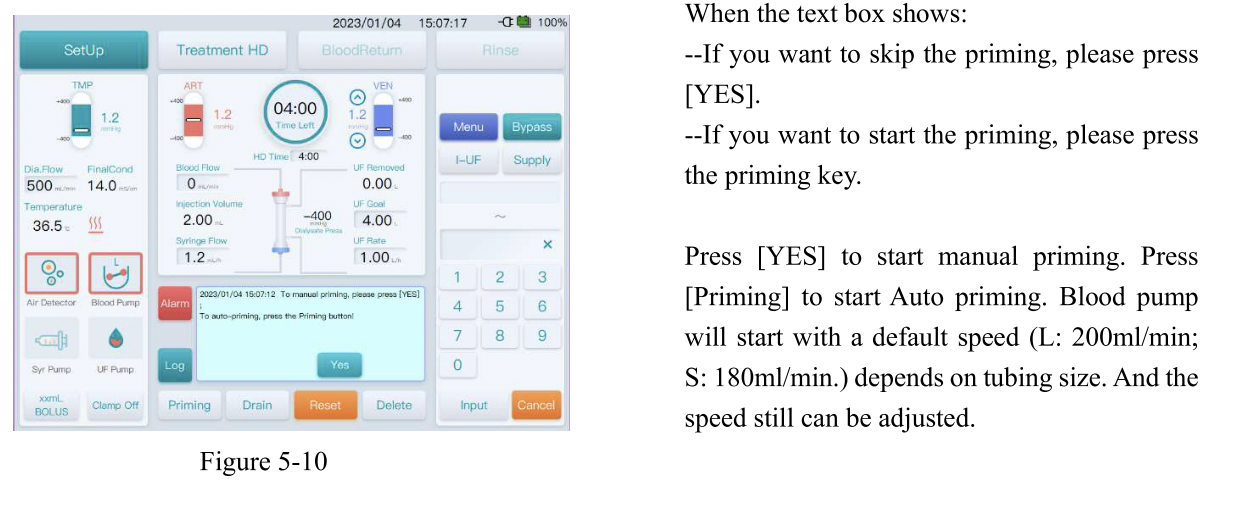
1.6. Connect the dialyzer couplers and vein monitoring tubing
1.7. Self-check finished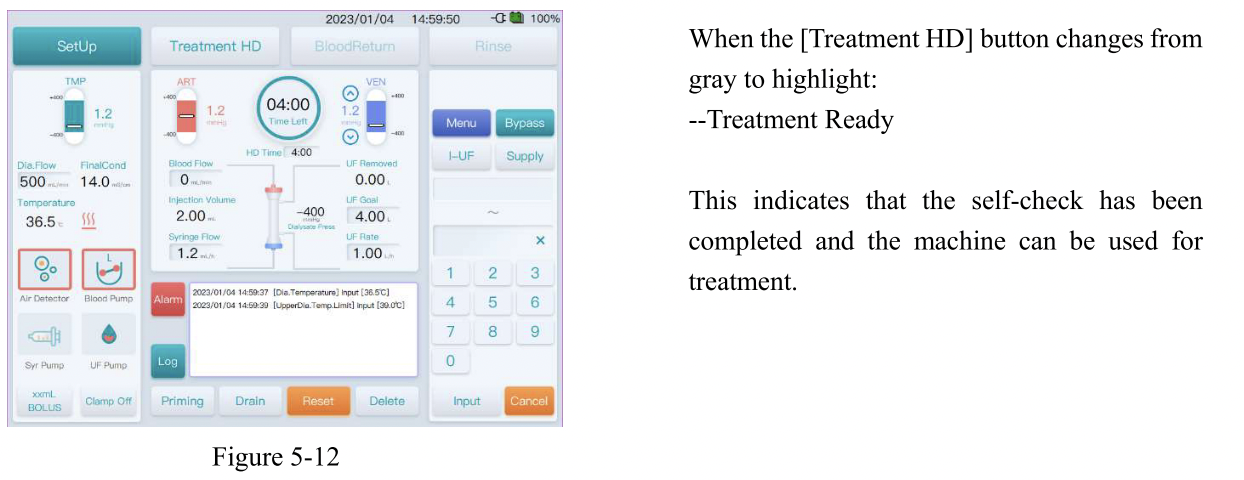
Standby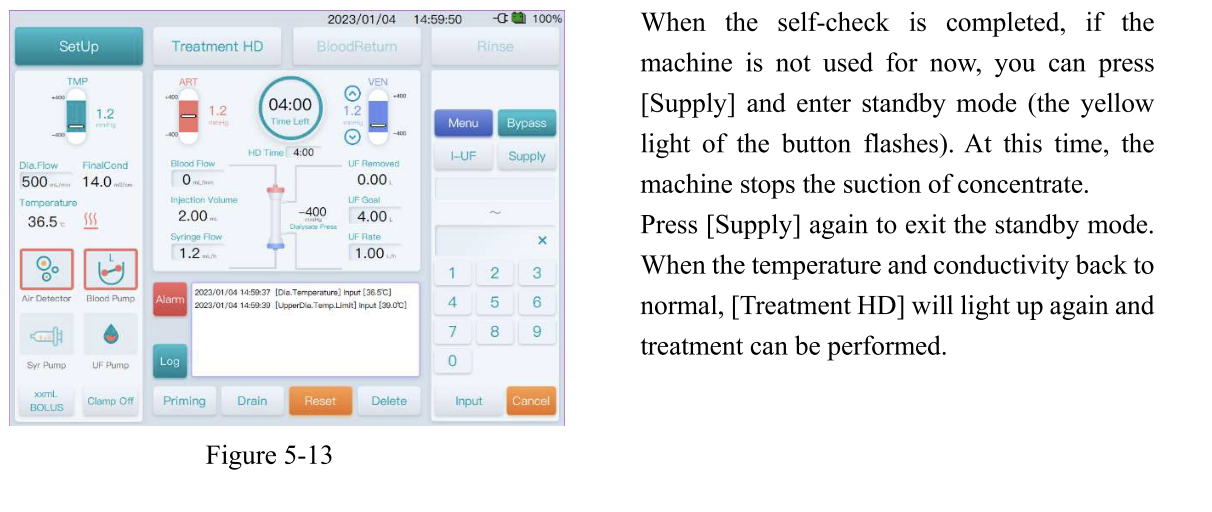
2. Treatment
2.1. Draw blood out from the body
After the self-check is completed, confirm that the blood pump is in the stopped state. Select the patient’s blood drawing site as required, connect the arterial blood tubing to the patient’s artery, and connect the venous blood tubing to the waste liquid bag. Set the blood pump speed to 100, press the blood pump symbol to open the blood pump and draw the blood to the external blood circuit system. When the blood is about to flow to the vein end, press the blood pump symbol to stop the blood pump, and then remove the vein end of the blood tubing from the waste liquid bag and connect to the patient’s vein.
2.2. Syringe installation
- Pull the syringe setting knob outward, then turn its bar 90°upwards and release.
- Press the adjusting trigger, and pull the pump base up or down to an appropriate position. Then place the syringe on it and clamp the plunger flange with the plunger flange holder.
- Pull the syringe setting knob outward and turn it 90 degrees back to install syringe.
- Heparin volume and flow rate setting should obey prescription. Before treatment begin, please confirm that the syringe size matches the heparin volume setting.

Note: If the syringe cannot be identified or the identification is wrong, please contact authorized personnel for adjusting.
Warning: Do not use additional infusion pump for anticoagulant injection.
2.3. Setting of treatment parameters
Before each treatment, please set the parameters of dialysis treatment according to the patient’s actual situation.
Dialysis Time
UF Goal
Blood Pump Flow
Syringe Flow
OneShot
Dialysate Flow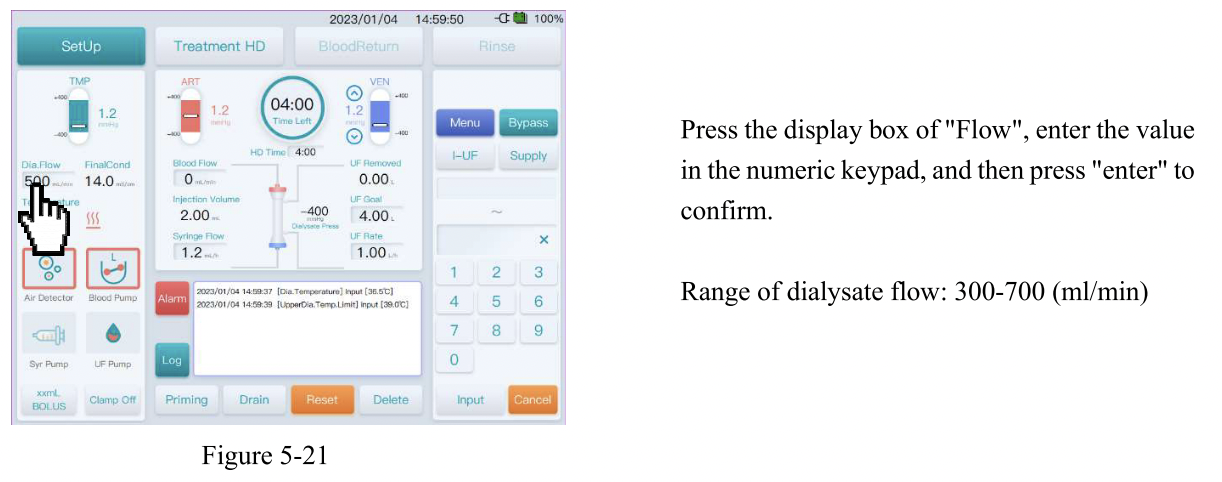
Temperature
 Notice: Parameters can be modified during treatment.
Attention:
- When opening the package, please check the equipment for any signs of damage. If there is any form of damage to the equipment, it cannot be guaranteed to operate normally;
- Before operating the haemodialysis machine, the operator must carefully read this instruction for use.
- The operator shall confirm the input parameters, i.e. ensure that the input values are correct.
- If the displayed values of the parameters deviate from the optimal values, appropriate values must be set before the function startup.
- Confirm the power supply system (current, voltage and cable) meets the load requirements.
- The DORA-6000 Haemodialysis Machine is a class I type B machine, so that the plug of the power cord must be plugged into an individual three-pin socket, to ensure that the machine is properly grounded. If the machine is not completely grounded, there is a risk of electric shock.
- During dialysis, if a safety alarm is triggered, the operator should check the reason for the alarm as soon as possible and eliminate the fault before continuing dialysis. If the alarm fault cannot be resolved temporarily and the fault becomes severe, then immediately stop the dialysis treatment.
- This machine is meant for single patient dialysis treatment at one time.
- Only CE certified tubing set for hemodialysis and fistula needles should be selected in case of replacement.
- This machine can only be installed, assembled, modified, or repaired by the manufacturer or authorized personnel. Improper installation, usage, and maintenance may result in machine malfunctions, causing the patient’s symptoms to deteriorate.
- In the event of a failure, follow the general troubleshooting method to resolve the fault. If the fault cannot be resolved, please contact the manufacturer. Unauthorized service personnel should not disassemble the unit. If during the repair process the label is damaged or lost, please contact the manufacturer immediately and reapply the corresponding label in the same position; incomplete use of symbols and inadequate warning information may lead to operational errors, and affect patient treatment.
- To protect the environment, the haemodialysis machine and its accessories should be scrapped as per the appropriate requirements at the end of the service life. The machine and its accessories cannot be disposed as waste but should be recycled by a designated medical equipment recycling vendor.
- After dialysis, the disposable dialyzers, fistula needles, etc., should be disposed in accordance with the management and treatment of medical waste.
- The service life is 8 years, exceeding the service life and continuing to use the product may have an adverse effect on the patient’s health.
- When connected to the main power supply, the machine’s heater will not operate if the PE ground wire is not grounded. Please ensure that the ground wire is properly connected.
- The machine is not intended for use in combination with other electrical machines or equipment, but it needs to be used in conjunction with some consumable medical equipment/materials. The specifications should meet the requirements in section 4.5.
- The use of ETRF should be in accordance with the regulations of the ETRF manufacturer.
- In the case of power outage, residual venous pressure causes the level of the venous pot to drop, might cause bubbles flowing into patient, so bubble validation through visual inspection will be necessary.
Warning:
- No modification of this machine is allowed.
- Unauthorized maintenance or calibration of equipment may result in malfunction or other serious consequences for the safe operation of this equipment
- Please maintain the batteries according to this instruction for use.
- Remove the batteries if this machine is not likely to be used for 90 days.
- The main plug is used for connecting the machine to mains power supply. Do not place the machine in a position where it is difficult to operate the main plug.
- To prevent cross infection, please run a complete RINSE program after a treatment.
- When the patient is disconnected from the machine, the machine’s pressure monitoring scope expands, and the operator must monitor both the patient and the machine.
- The operator should ensure that the tubing is correctly connected. The machine cannot identify whether the tube is correctly connected or not.
- According to the principle of haemodialysis, in the process of haemodialysis, the waste in the blood is transferred from the blood side to the dialysate side, while the material components in the dialysate side may be transferred to the blood side, causing related complications.
- Using improperly matched solutions or improper machine calibrations may allow improper dialysate to be delivered to the patient, resulting in patient injury or death. Verify composition, conductivity after converting to a different type of concentrate is recommended.
- Risk Management:
– Risk Management analysis is used to identify the hazard, estimate and evaluate the risk of each hazard and provide risk control measures to reduce the risk.
– The residual risks of all identified hazards are acceptable. The necessary warnings and notes to disclose the residual risks are provided in this instruction for use and other accompanying files.

Description:
A: Acceptable risk;
U: A risk that is judged to be unacceptable if there is no risk/benefit analysis.
12. Clinical Undesirable Side-effects: There may be some undesirable side-effects when the machine is used. Please pay enough attention to the following points: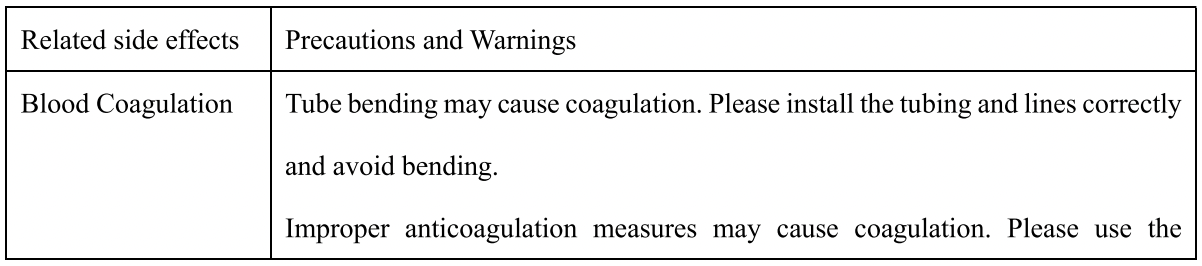
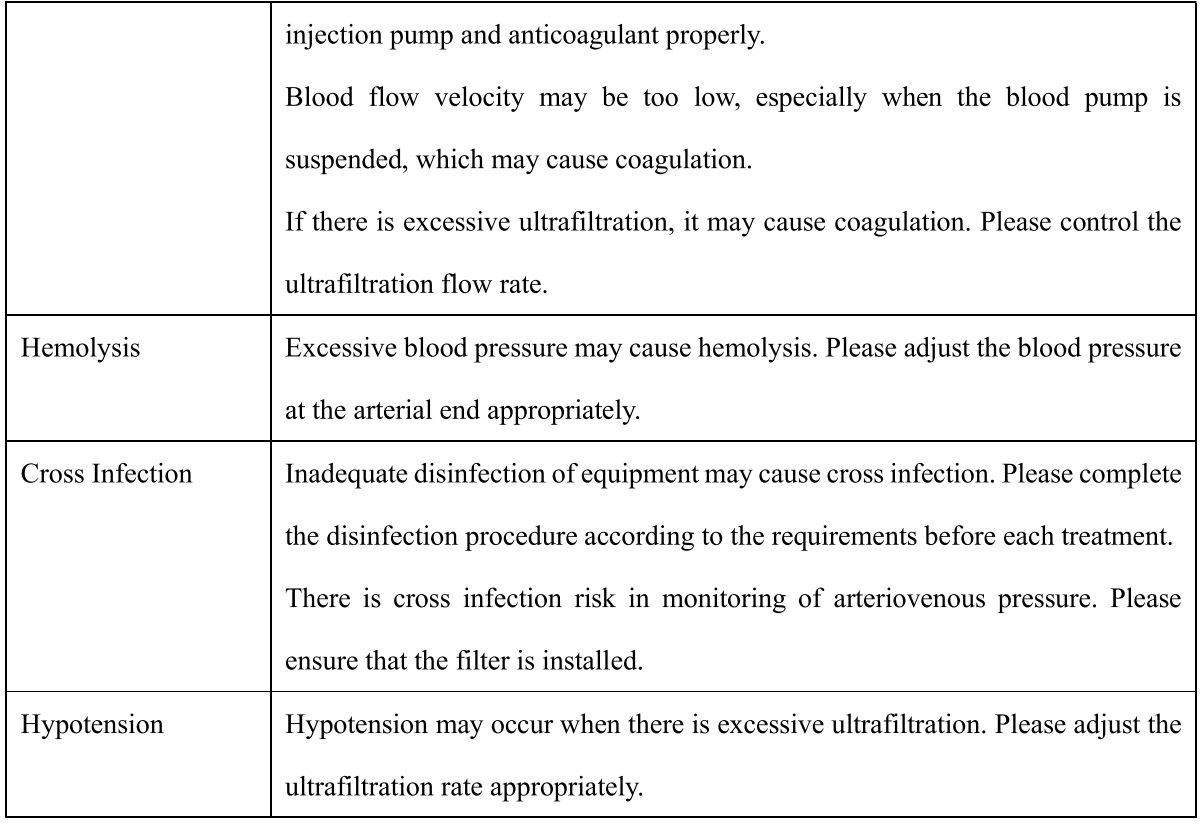
- This instruction uses the following symbols to indicate injury or damage degree caused by the information and operation mistakes.
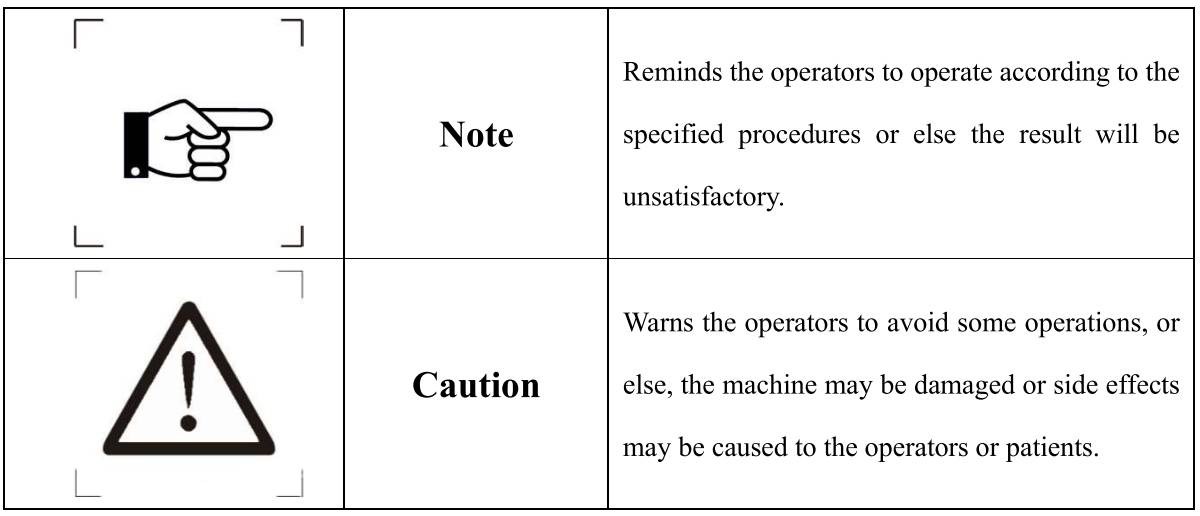
- Please read the following safety symbols carefully and understand the meanings before using it.
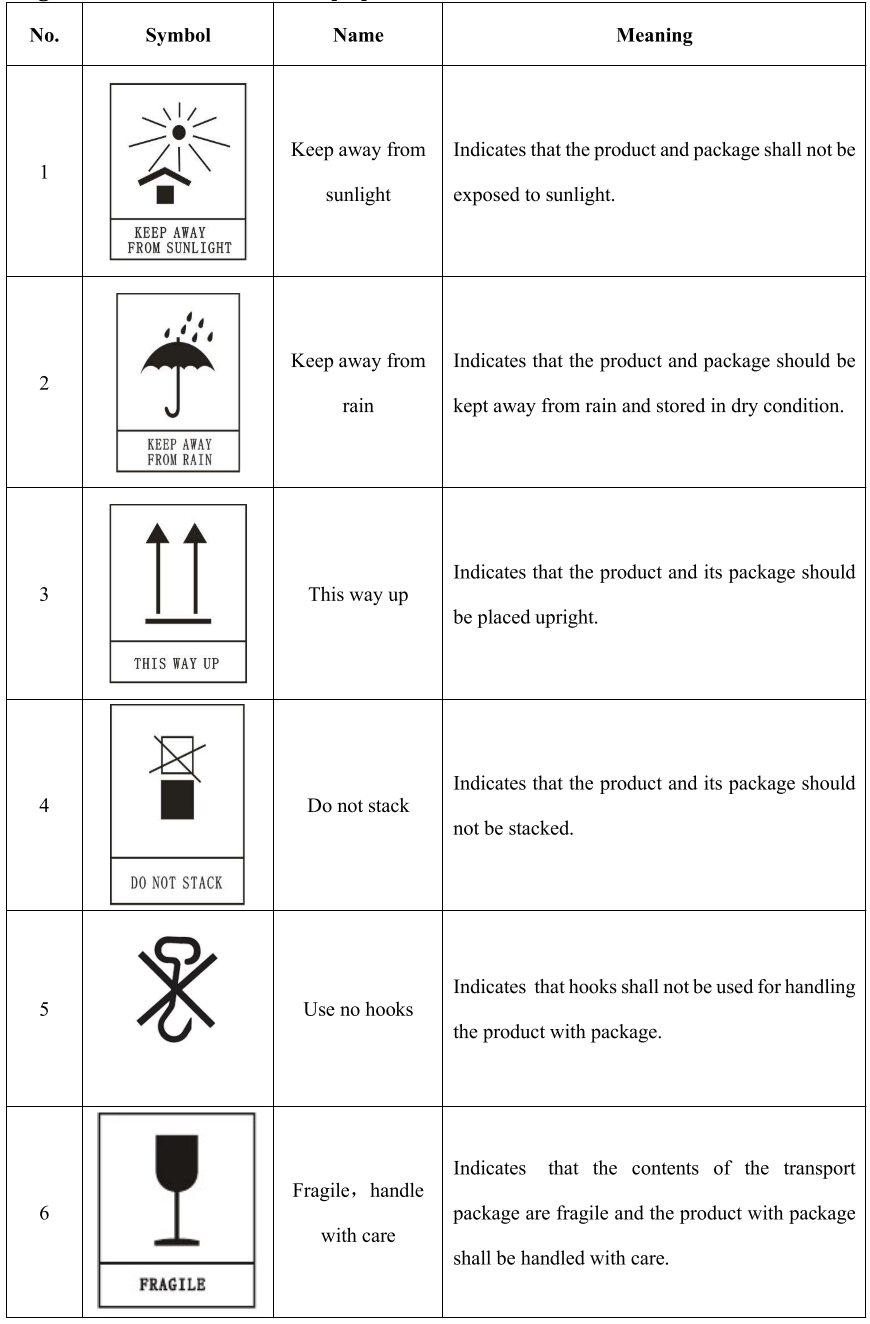
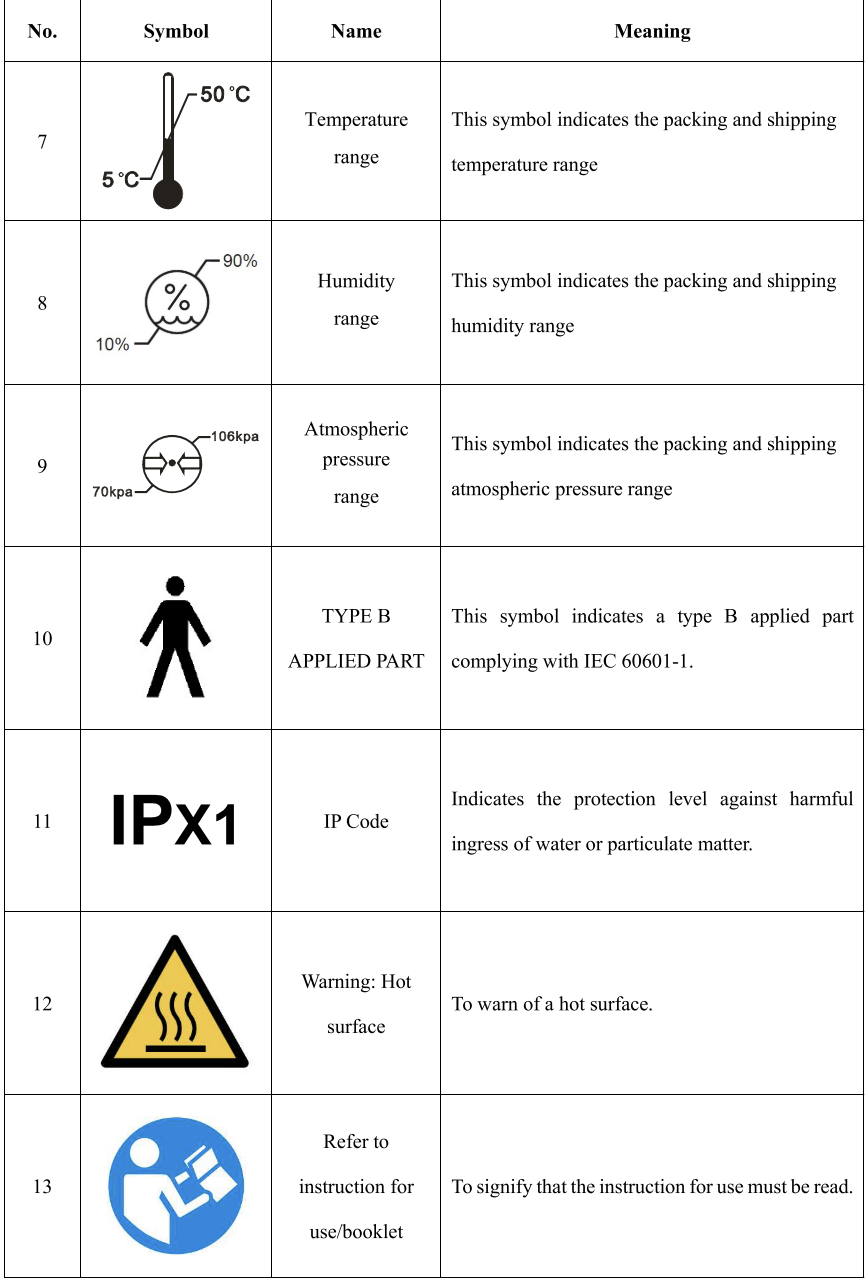
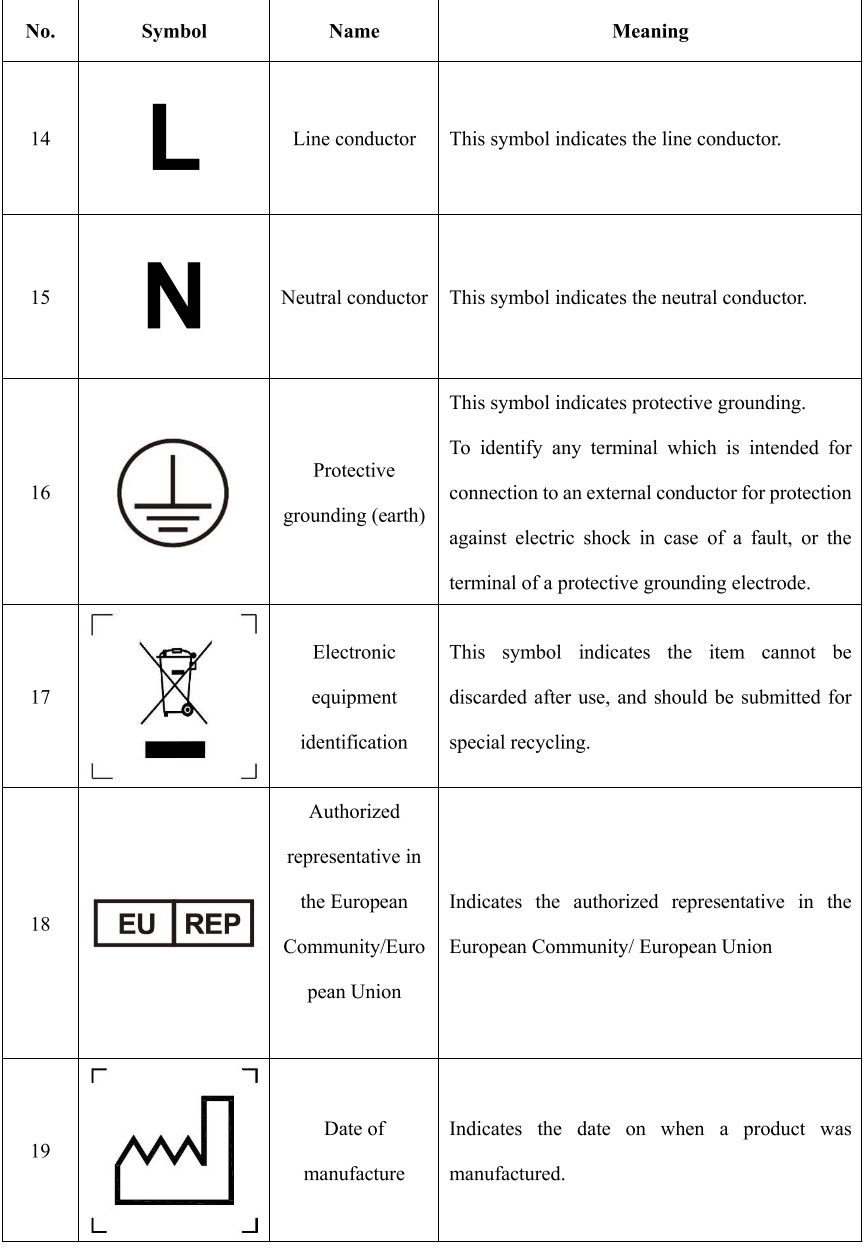
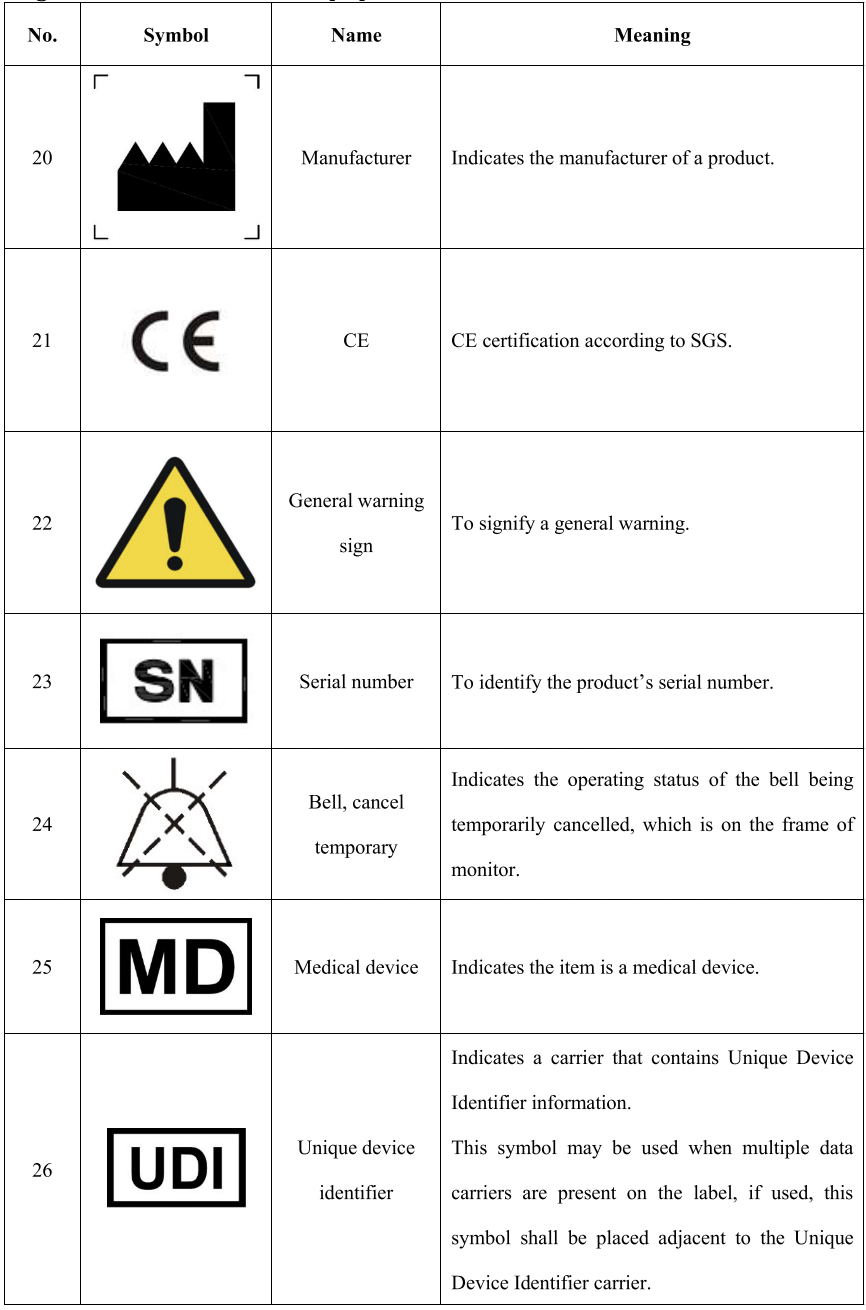
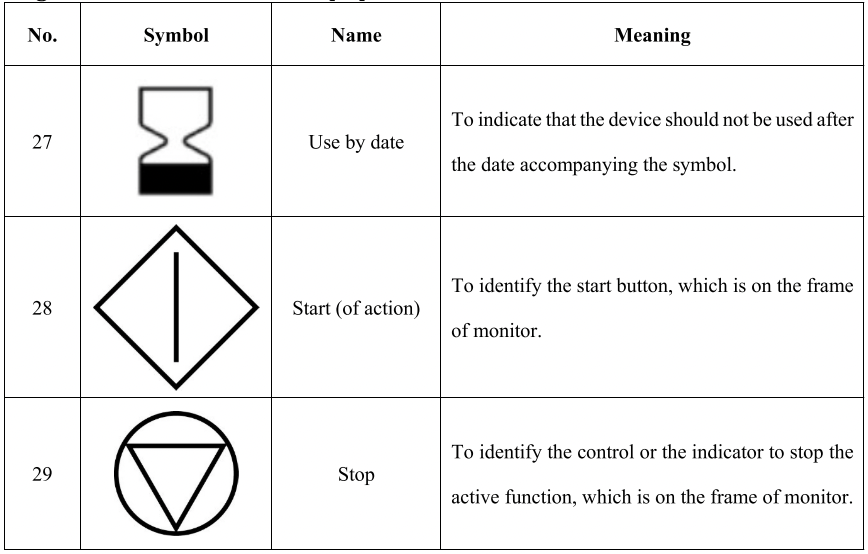
Note: The label affixed to the machine has the characteristics of shine, temperature resistant, waterproof, corrosion-proof, fire-retardant, and non-fading, to ensure that the label content is still legible during the life of the machine.